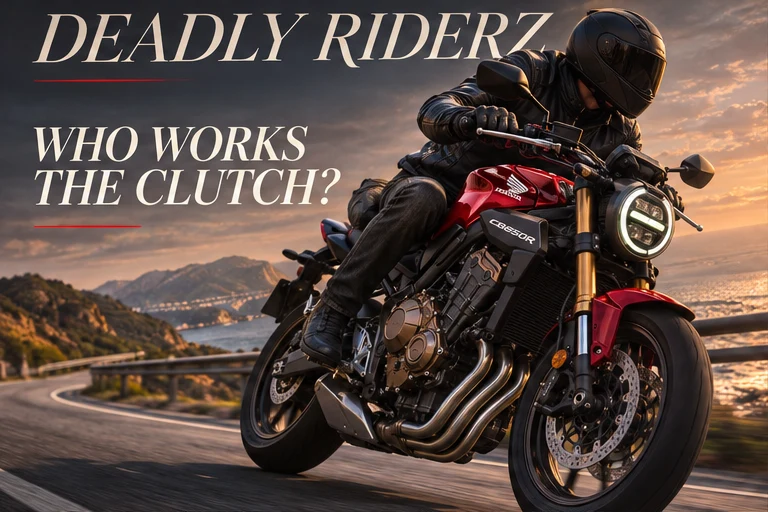

At the end of a long signal in Bengaluru, the Honda CB650R E-Clutch asks a surprisingly familiar question. Which gear do you want? The electronics can work the clutch as you pull away, change gear and stop, but the gear lever is still under your left boot. Understanding that division of labour makes for a far better test ride than simply asking whether the bike is automatic.
Highlights
- With E-Clutch active, the motorcycle can manage clutch engagement when setting off and disengagement when stopping.
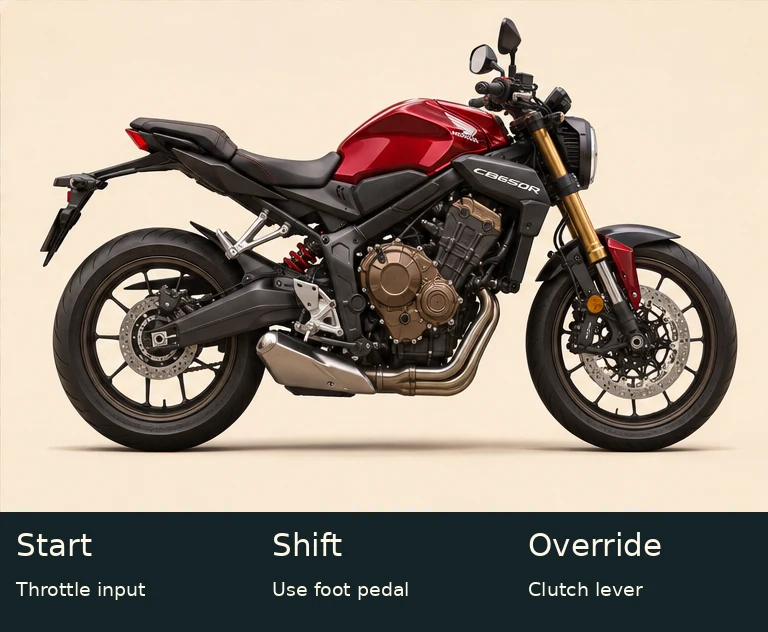
- The rider selects gears with the foot pedal and can still use the clutch lever manually.
- A demonstration should include a stop, a restart and a manual override as well as a moving gear change.
Follow one junction
Picture approaching a red light in a higher gear. You are still responsible for closing the throttle, braking for the available space and choosing a suitable gear for the next move. The assistance concerns the link between the running engine and the gearbox. Honda describes the system controlling clutch engagement through a stop. The bike does not read the queue ahead or decide which gap you should take.
At the front of the queue the light changes. With the correct starting gear selected and the system active, throttle input lets you move away without the familiar squeeze and release of the lever. When it is time for the next gear, you operate the pedal. On a short demonstration, ask the dealer to point out the operating indication before you start. It is much easier to understand the sequence when you already know how the dash identifies the active mode.

Inside the clutch cover
Honda’s engineering explanation traces the work to electric actuators and coordinated engine control. Sensors provide information about the bike’s operating state and the rider’s shift input. The control system uses that information to manage the clutch during a change. That is why the experience can feel quite different from a conventional clutch even though the sequence of gear ratios remains familiar.
A quickshifter provides a useful comparison. Someone accustomed to shifting under way with a quickshifter might expect to reach automatically for the lever at every traffic light. Starts and stops are specifically part of the E-Clutch’s brief. Conversely, a scooter owner accustomed to twisting the throttle and letting the transmission choose the ratio will still have work to do on the Honda. A rolling upshift alone demonstrates the part these systems have most in common.
Where the lever fits in
Honda retained the hand lever. Pulling it lets the rider temporarily take over manual operation, while switching the system off leaves a conventional manual clutch to operate. Ask for the handover to demonstrate the difference between manual intervention and fully disabling assistance. They can look similar from outside because the rider’s left fingers are doing the same thing.
Imagine arriving after a long day and handing the motorcycle to another appropriately licensed rider. A quick explanation of the current setting is worth more than the badge on the engine. Make a habit of checking the indication before riding away, especially after a demonstration or a service visit. Follow the owner’s manual for system warnings and recovery. Guessing which mode is active is a poor way to learn a new motorcycle in traffic.

Plan a useful demonstration
Ask for a quiet, dealer-approved route where you can come to a proper stop and set off again more than once. Add an ordinary section of traffic if conditions allow. Notice how much attention you give to the display, how readily your boot finds the pedal and whether the bike’s overall size feels manageable at walking pace. An easier day for your left hand leaves the rest of the motorcycle exactly as substantial.
A rider moving up from a smaller manual bike may find that keeping familiar gear choice matters more than removing every task. A rider chiefly trying to avoid gear selection altogether may come away with a different answer. Compare the impression after several starts with your first impression leaving the showroom. One unfamiliar input can dominate those first few metres and disappear from your thoughts by the return journey.
Ask what ownership involves
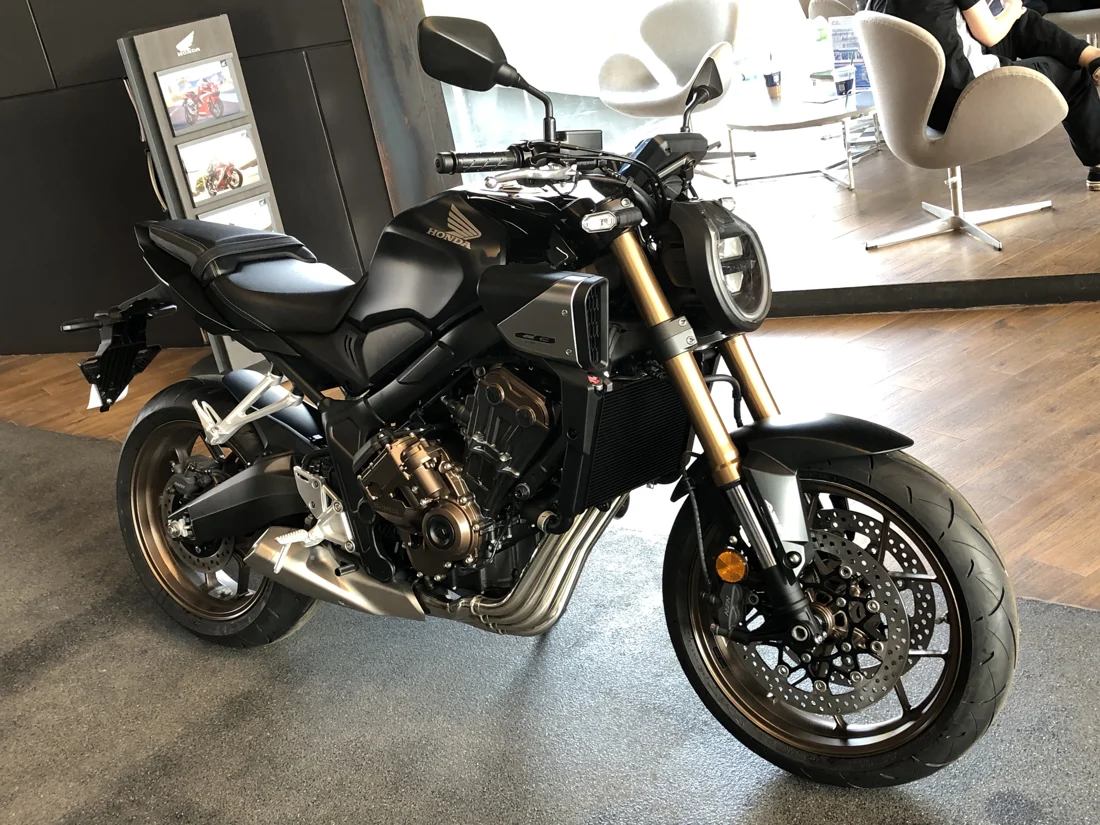
For a used example, match the model year and equipment on the actual bike to its documents. Honda Motorcycle & Scooter India announced the E-Clutch versions of the CB650R and CBR650R in 2025. Older listings, overseas reviews and photographs of similarly named models can describe different equipment. Have the seller show the system working and ask the servicing workshop to explain any recorded warnings, rather than relying on a description in an advert.
Before choosing, consider what a usual hour on your bike contains. For a rider who crosses multiple queues before reaching an open road, reducing repeated lever work while retaining gear choice answers a specific need. For someone who spends nearly the entire ride at steady speed, the benefit may appear for only a few minutes. The sensible premium is the one you can justify for those actual minutes, after a demonstration of all three events: leaving, shifting and stopping.
Watch the details
Honda Motorcycles Europe’s E-Clutch demonstration. Watch which controls the rider operates during changes of gear.
Sources and further reading
Honda’s E-Clutch engineering explanation


