

If a dealer quote says “200 Duke, 2026,” ask to see the settings on the actual motorcycle. There is a useful way to tell the updated bike from an earlier unit besides the sticker or the month it arrived at the showroom. The October 2026 announcement adds electronic throttle control, riding modes, a bidirectional quickshifter and traction control. A machine described as the same model year by a retailer or a used-bike listing might not be the same configuration. Know what you would expect to see before you pay.
Highlights
- The 28 October announcement lists ride-by-wire, ride modes, traction control and a bidirectional quickshifter.
- Street and Rain are reported for the updated bike. Ask for a demonstration and the correct manual.
- Compare invoice equipment and actual availability if both older and updated bikes are offered.
Start with the update, then the exact machine
The Bajaj KTM announcement identifies the changes. BikeWale’s India launch coverage and NDTV Auto’s report describe the updated equipment and price context. Get a local delivered quote for whichever version is on offer. If a seller claims there is an identical bike in stock at another outlet, make sure you compare each machine against the same factory information.

Give each feature one useful question
Ask the representative to show how the modes appear on the display and how you identify the one selected. A rider looking at the mode names should be able to tell what they do without guessing how the bike responds. Ask what the applicable manual says about when selections can change and how any setting behaves after the bike is started. That is a better way to compare the equipment than assuming a similar switch must mean a similar function.
The quickshifter is a separate feature. Ask the dealer to explain the conditions in which the manual supports using it. If the showroom demonstrates the feature, follow the approved procedure and ride only where it is appropriate. Pay attention to how the normal lever and gearbox feel as well, because you may frequently use the manual controls. A bike should also make sense at the pace you ride home.
Separate electronics from everyday fit
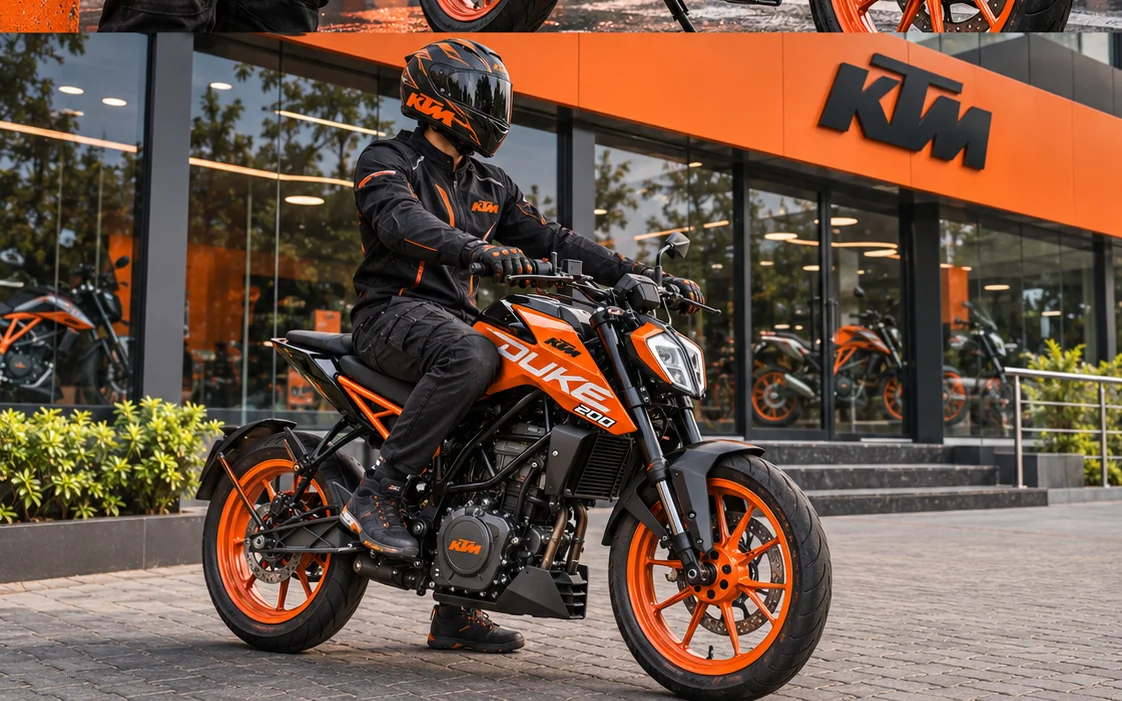
The updated bike has more to demonstrate. Start the practical test with the same boots, gloves and route you would use on another motorcycle. See how easily you can reach the grips with the front wheel turned and whether you can move it backwards on level ground. Once the ride begins, pay attention to how you can move off gently and feel in a slow turn. Standstill checks and impressions from a permitted test route are distinct. Write down both.
For a buying decision, note which features you would use regularly and which would merely be new to you. Someone shopping for a commuter might find the lever reach, parking effort and ride mode display useful. A buyer who rides mostly on open roads might pay more attention to gear changes. Our Pulsar N160 and N250 guide gives another example of comparing what you use daily with what you can get on paper.
Read the old-stock offer as a separate offer
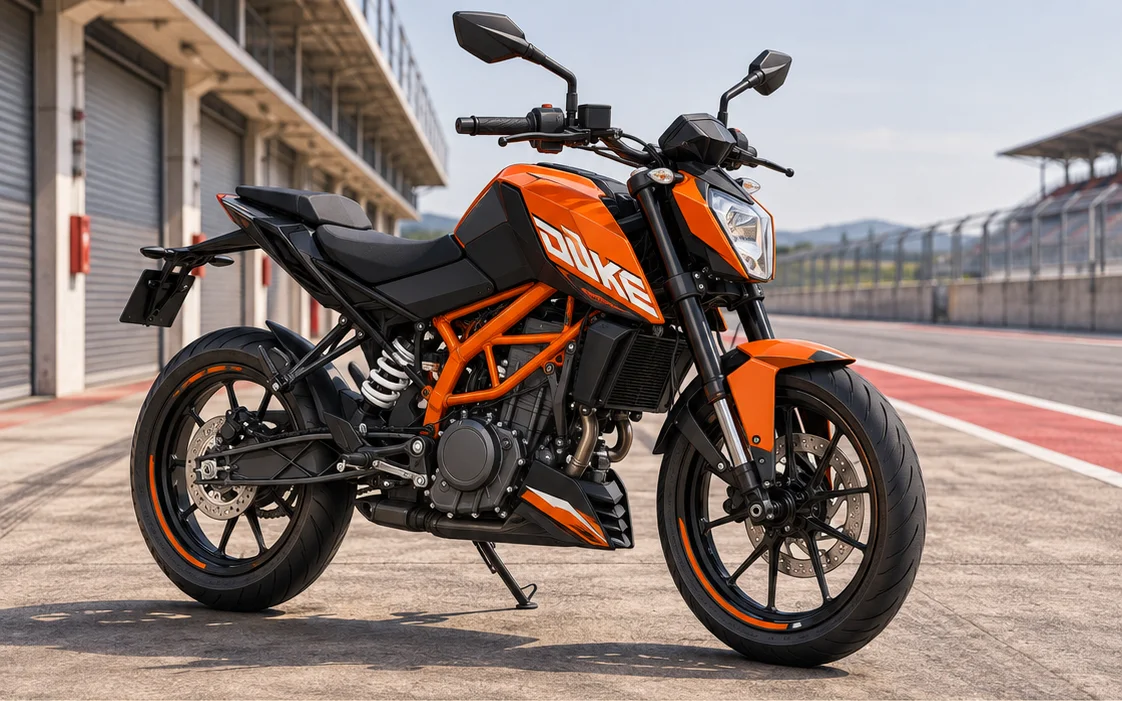
Get the earlier and revised bike quoted before making a comparison. Record the manufacture month, warranty terms, equipment and when a full handover is possible. If an outlet presents a discounted machine, check whether the price includes items you would have to add elsewhere. If the newer bike has a wait, ask whether the price remains valid when it arrives. This separates the equipment decision from a timing problem.
Check your support after the sale
Imagine that a setting is unfamiliar on your first commute. Ask when the dealership can talk you through the functions and what documentation comes with the bike. Save the contact for the actual service centre, especially when the sales and service locations are different. A clear manual reference and a place to ask a question can be as useful as a convincing demonstration before you have signed anything.
Ask for the exact invoice and paperwork
Record the claimed specification, manufacture month and quoted amount before discussing any accessory. If you are offered old stock at a lower price, have the dealer show you the bike concerned and ask for the warranty start and handover date. A discounted bike with the equipment you want may suit you. The difference between the packages only has value if you know which is which. Save the document and use the model’s approved manual rather than a clip that may cover a different update.
The owner who benefits most is the one who can identify the equipment, explain its use, and still finds the Duke comfortable on the streets close to home. Start with that ordinary ride and make each newer function justify itself.
Cover illustration by Deadly Riderz.


