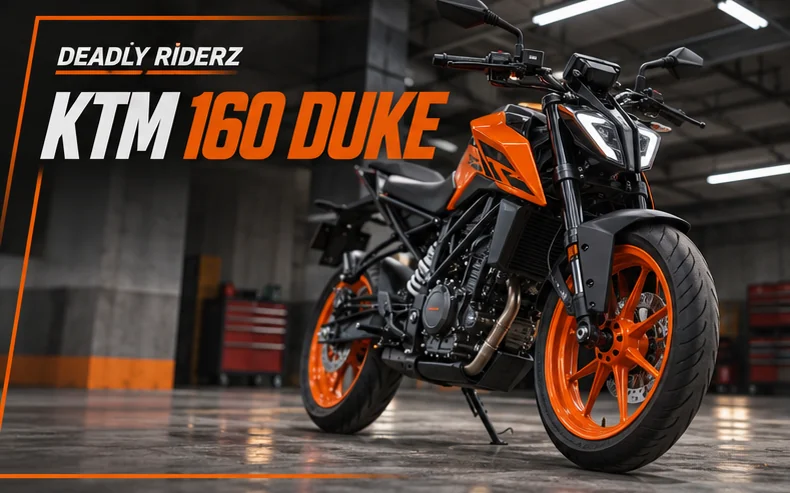

The difference between two KTM 160 Duke quotes can be a colour screen and a few lines of equipment. The difference between two 160 Duke rides often has more to do with the bars, pegs and how you get through a slow U-turn. For a first-time KTM buyer, work through those questions in that order. Once you know the base motorcycle fits, it is easier to decide whether the TFT is worth paying for.
Highlights
- KTM launched the 160 Duke in India in August 2025.
- The range has an LCD and a TFT version. Independent coverage identifies turn-by-turn navigation on compatible configurations.
- Ask whether Bluetooth is included on the specific quote. Early road tests described an optional module for the LCD bike.

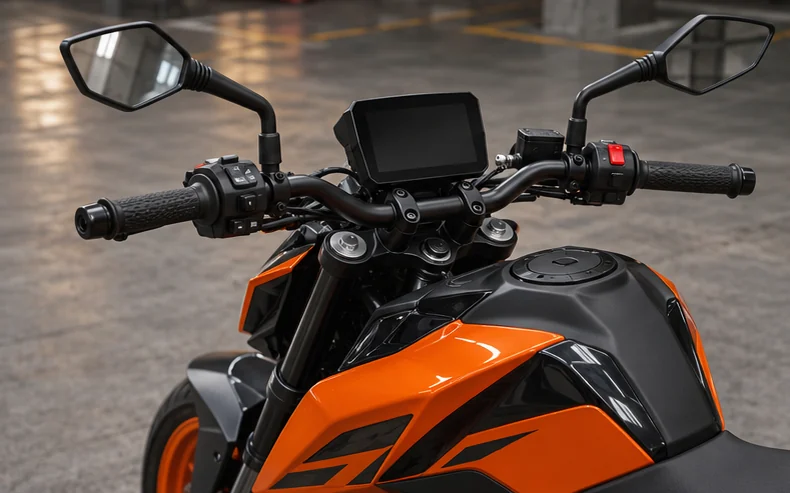
Compare what the dash does
If you use a motorcycle mainly for the same daily commute, a legible speed readout and fuel indication may be the things you look at most. Set the bike outside under direct sun and see whether both displays remain easily readable without changing posture. Then check the display after dusk during a test-ride handover if your schedule allows. A screen that looks fantastic in a showroom can feel bright in a dim lane.
Test navigation with your own handset when parked. Pair it, open the app if required, and ask the salesperson to show the next-turn indication. Earlier BikeWale and Autocar India first rides described optional Bluetooth on the LCD bike, while later reporting describes compatible connected features. Have the showroom note any included module or activation on the itemised quote. A compatible catalogue feature is different from hardware installed on delivery.

Ride it at commuter speeds
Autocar India’s first ride lists a 147 kg kerb weight and an 815 mm seat. Its reviewer also found room in the riding position. On your test, check that the bike is easy to walk back out of a parking spot and that the reach to the ground works in your riding shoes. Those are better indicators of everyday fit than the engine badge on the tank.
Take the bike through a slow but flowing part of the approved test route. Ask yourself whether you can hold a comfortable pace with normal clutch work. Check mirror placement and how easy it is to make ordinary observations before changing position. A new rider may find these points more revealing than a single quick run in an open stretch.
Put the trim premium to work
Get both quotes on the same basis, with matching registration estimates, insurance cover and removal of extras you do not want. Write down the actual amount the TFT costs after that comparison. Then think about other expenses before delivery. If you still need protective kit that fits, budget for that at the same time. If your route changes often and you use navigation every week, a better interface may well be worth more to you than it is to a rider who goes to the same destination every day.
Our KTM 200 Duke controls and model-year guide describes another case where paperwork matters. On the 160, ask the seller to write the complete trim name and connected equipment so you can verify the bike at handover.
This is the original first ride. Use it to see the posture and verify latest LCD and TFT equipment separately. Watch Autocar India’s KTM 160 Duke first ride.
Test ownership details early
A compact naked bike can make an appealing first purchase if you have a practical place to maintain it. Find the workshop you expect to use, ask how to book an appointment and request the service intervals for the model. If you ride between cities frequently, ask about roadside support and whether that is bundled or a separate line item. Establish which consumables are stocked near you and the typical lead time for a replacement part.
At handover, start the dash with the key, verify warnings and display modes according to the handbook, and run the phone-pairing demonstration once again on the allocated bike. The difference between the demonstrator and the bike in your paperwork is especially worth checking when dealers have more than one version in stock.
If the phone link is one of the reasons you’re upgrading, ask what happens on a route through weak mobile coverage and how the bike shows a disconnected handset. Confirm the app support for your phone and whether the dashboard still keeps basic trip data available independently. Try wearing your own gloves to see whether simple controls remain easy to use at a standstill. These details can matter more on a dark service road than the shape or colour of the menu icons.
Pick the screen after the bike
Ride the 160 Duke first for comfort, low-speed control and the kind of performance you can use on your route. Choose the TFT if its interface genuinely improves how you ride or navigate. Choose the LCD if its readouts do the job and the itemised quote leaves money for a part of ownership you value more.
Sources
KTM India’s August 2025 launch announcement


