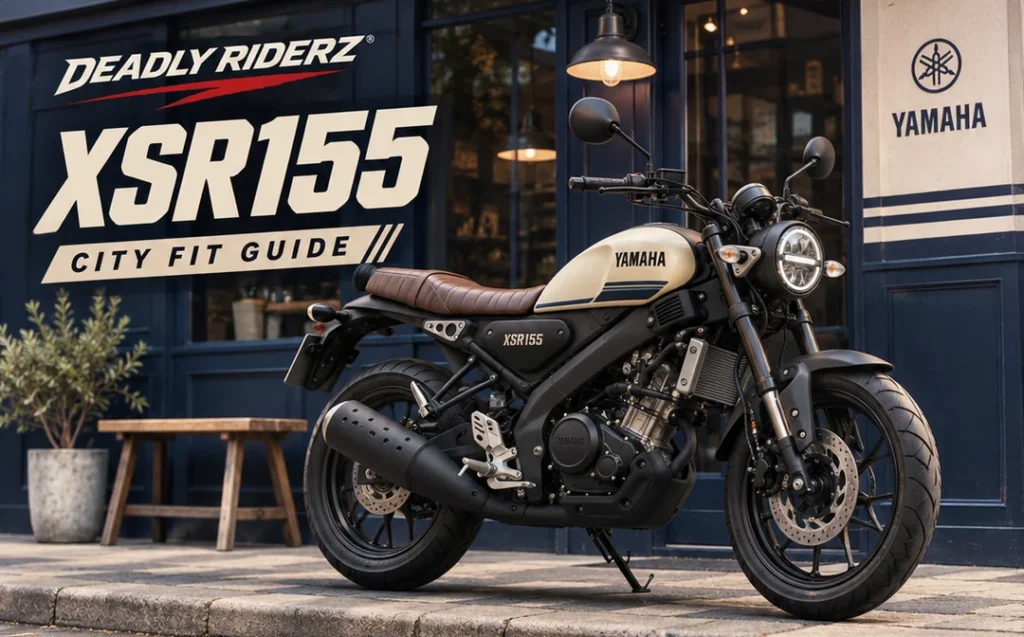

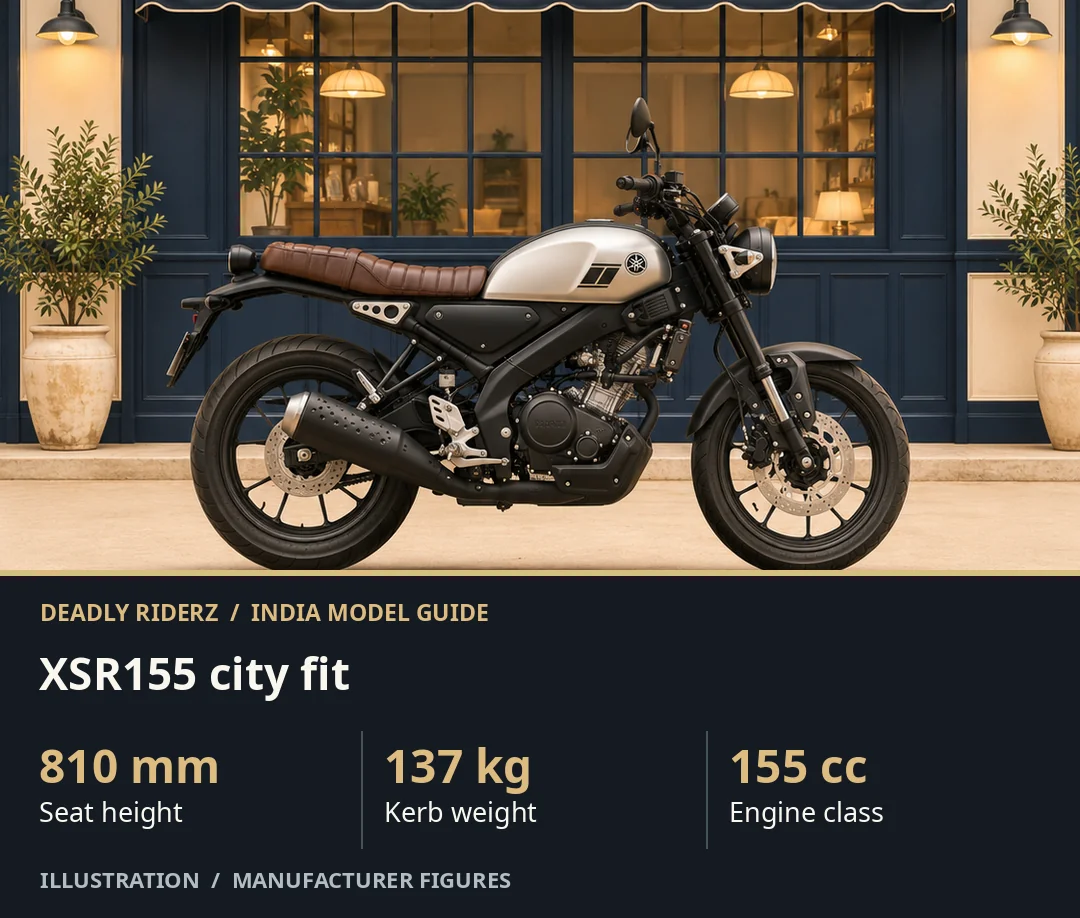
The XSR155’s 810 mm seat height is easy to notice on Yamaha’s spec sheet. The more useful number when you wheel it out of a sloping parking space is 137 kg. Both matter, but they describe different moments. Seat height affects your first stop with a foot down; mass affects the next manoeuvre, when the bike is leaning a little and has to be pulled back upright. If you are choosing between this Yamaha and a more upright 150–160 cc street bike, take ten minutes to check both before deciding.
Highlights
- Yamaha India lists an 810 mm seat and 137 kg kerb weight for the XSR155.
- Autocar India found more room than on Yamaha’s sportier 155s, while noting the rear-set pegs and reach to the bars.
- Use a test ride to check one-foot stops, walking-pace turns, and how much weight reaches your hands.
Check the seat under load
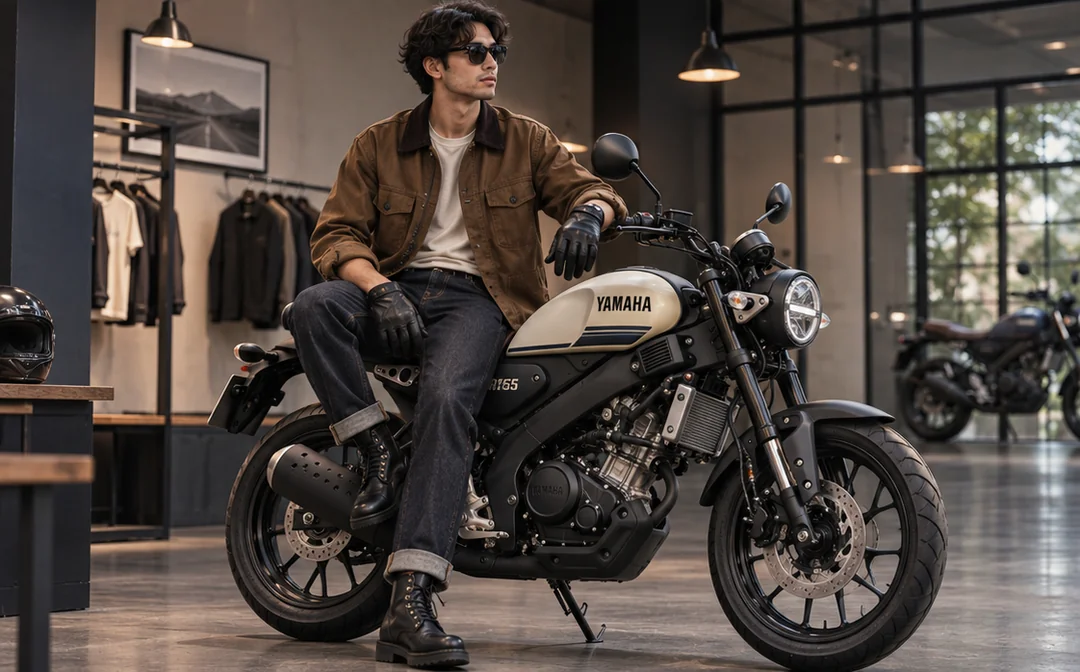
Sit on the motorcycle in the boots you normally ride in. With a dealer’s permission and a staff member steadying the bike, bring it gently off the stand. Put your right foot on the rear brake and see how naturally your left foot can reach the ground. A solid left-foot plant is useful at a signal; reaching with both toes can feel less secure. If you have to rotate your hips a long way to clear the seat, repeat the movement a few times. It may be easy once in the showroom and irritating on a stop-heavy route.
Seat shape and suspension sag change what your legs actually have to reach around. The brochure gives a consistent measurement, but two people with the same height can have different inseams and hip mobility. If you routinely stop on narrow residential roads with pronounced camber, think about which side falls away. Test a level surface first and ask the dealer to suggest an appropriate place for the rest of the ride.
Try your parking routine
At home, the critical move might be reversing out of a space between two scooters. At work, it could be a tight left turn down a ramp. Sketch the direction you enter and leave each space, then compare it against the bike’s turning room and the leverage you have at the bars. Walking the bike upright on a flat surface is more revealing than comparing brochure weights between several models. If your usual parking area slopes away from the exit, a space you can roll into backwards can spare you an awkward uphill push later.
Pay attention to where the mirrors sit relative to scooter and auto-rickshaw mirrors. The XSR’s bar width can feel reassuring in a slow turn and still take up space at a particular pinch point on your route. Decide based on the gaps you actually need to negotiate, including the ones at your building gate.
A sportier bend at the knee
The older-school tank and round headlamp can make you expect a classic upright posture. The Autocar India test found rear-set pegs and a noticeable lean to the bar despite the roomier rider area. On your own test, take a few normal stops, settle into an uninterrupted stretch, and check your wrist and knee positions after several minutes. If you habitually carry a laptop in a backpack, wear it during the test. The bag changes how you hold your shoulders when you lean forward.
The MT-15 is worth a back-to-back ride if you already like Yamaha’s 155 cc engine family. Compare where you land on the seat and how easily you can move on it, then check the exact bike’s equipment and quoted price. If the alternative is an R15, our MT-15 and R15 city-riding comparison explains how much posture changes the same daily trip.
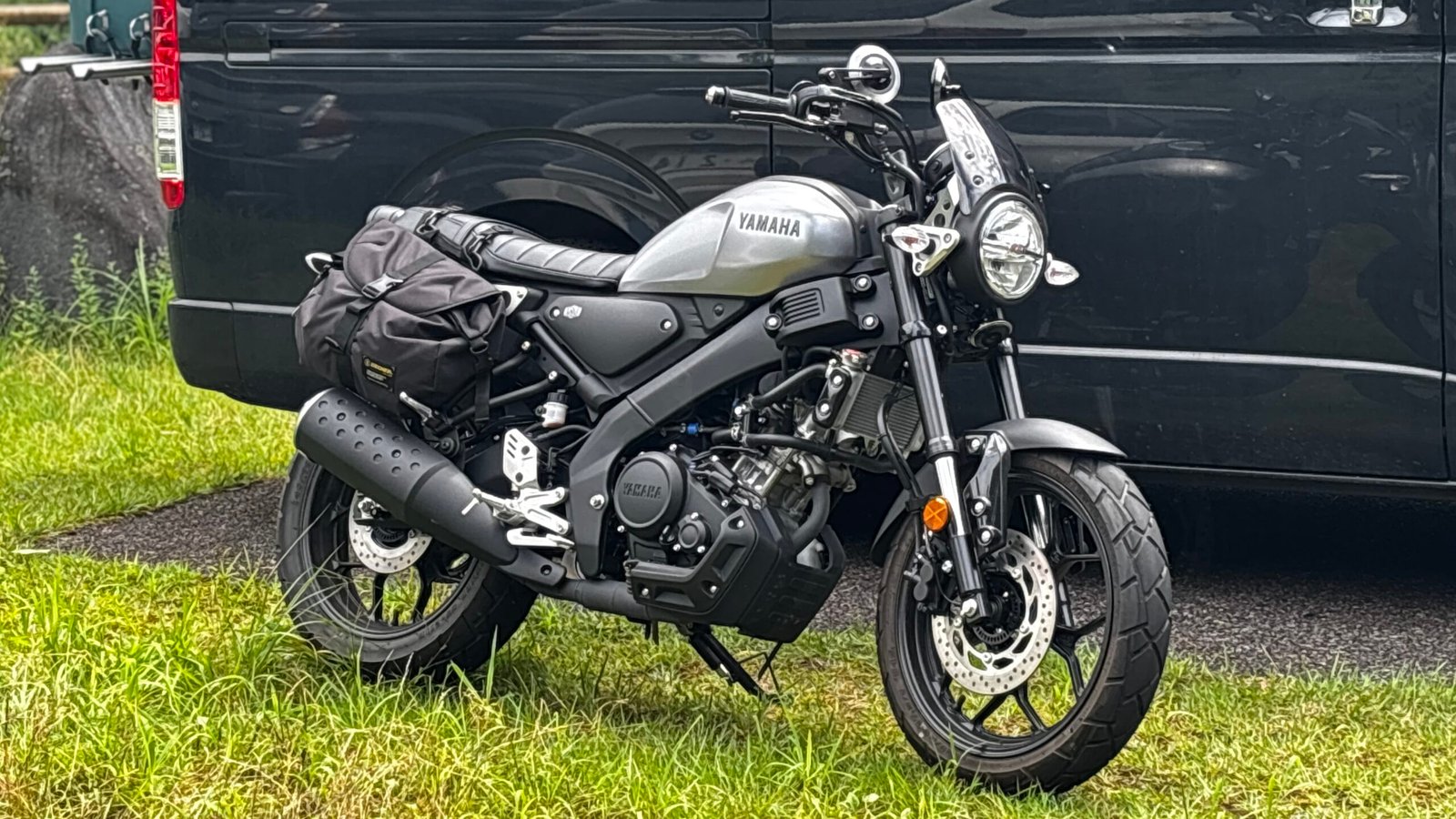
Start with the XSR155 segment for the bike’s in-person proportions. The same video also covers two Yamaha scooters. Watch Autocar India’s India-launch walkaround.
If you ride mainly in a dense neighbourhood, look at your first kilometre rather than the widest part of the test route. The first speed breaker, ramp or turn out of the gate is where you are likely to notice an awkward reach.
Check the pillion and quote
A long-looking seat is only the start of a two-up check. Ask a regular pillion to try getting on and off, using the actual footrests and hold points. Check shoe clearance around the right side, and see whether a small bag on the rear section would crowd the passenger. If most rides are solo, a neutral sitting spot and an easy pull out of your parking area deserve more weight in the decision than the occasional extra passenger.
Get a written quote for the colour you want, with registration, insurance and accessories itemised. Ask how long the test bike has been in service if its controls feel unusually stiff or light. Set the mirrors before leaving so that the rear-view check is part of your own test, and give yourself time to repeat the awkward turn that matters.
Who should shortlist it
If you want a compact motorcycle with some room to move and a sporty reach that suits your body, the XSR155 deserves a ride. If the seat or peg position bothers you in the first ten minutes, compare a more upright alternative on the same loop. An easy parking routine and a comfortable stop matter every day.


