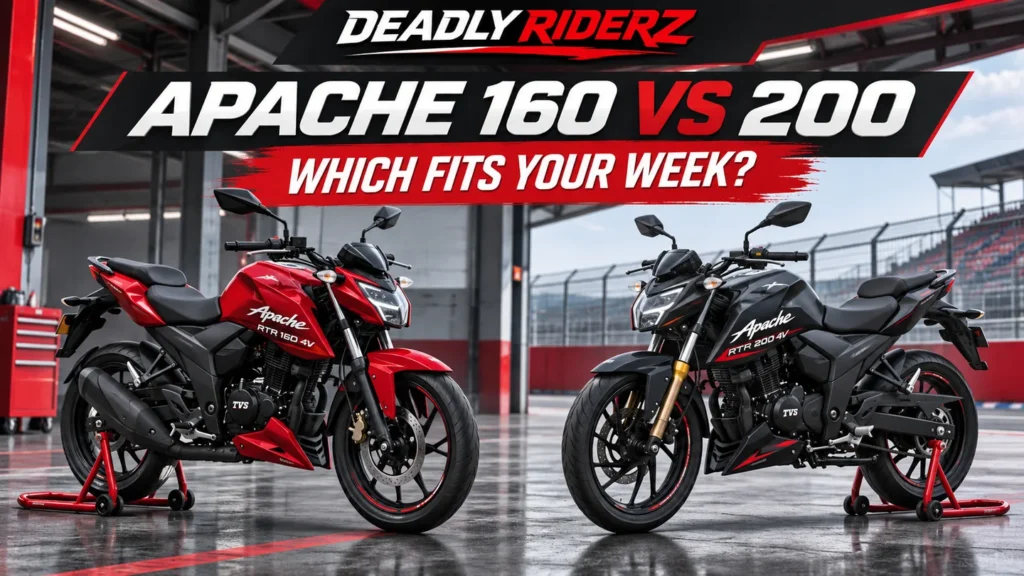

If the sales sheet says “Apache 160” without the rest of the model name, get the dealer to write the exact version before comparing it with an RTR 200 4V. A higher-spec RTR 160 4V can offer equipment you care about, even when the step up to 200 is the obvious choice on engine size. Decide which trim features you would use during the week and which part of your route would actually reward the extra performance. Compare the motorcycles on those two questions separately.
Highlights
- TVS lists 17.55 PS for the RTR 160 4V and 20.82 PS for the RTR 200 4V in Sport mode.
- The quoted Urban and Rain peak outputs are 15.64 PS and 17.32 PS for the referenced models.
- Match the exact trim to the hardware, as recent upper trims can change what you get with the name.
Start with like-for-like engine figures
The TVS RTR 160 4V specifications and its 2026 brochure identify the 159.7 cc four-valve version. The TVS RTR 200 4V specification gives figures for the 197.75 cc machine. Compare the number in the same ride mode on both bikes. It is easy to look at the 200’s Sport figure beside a 160 Urban figure and attribute the entire gap to displacement. The Sport-to-Sport difference on the manufacturer’s tables is 3.27 PS.
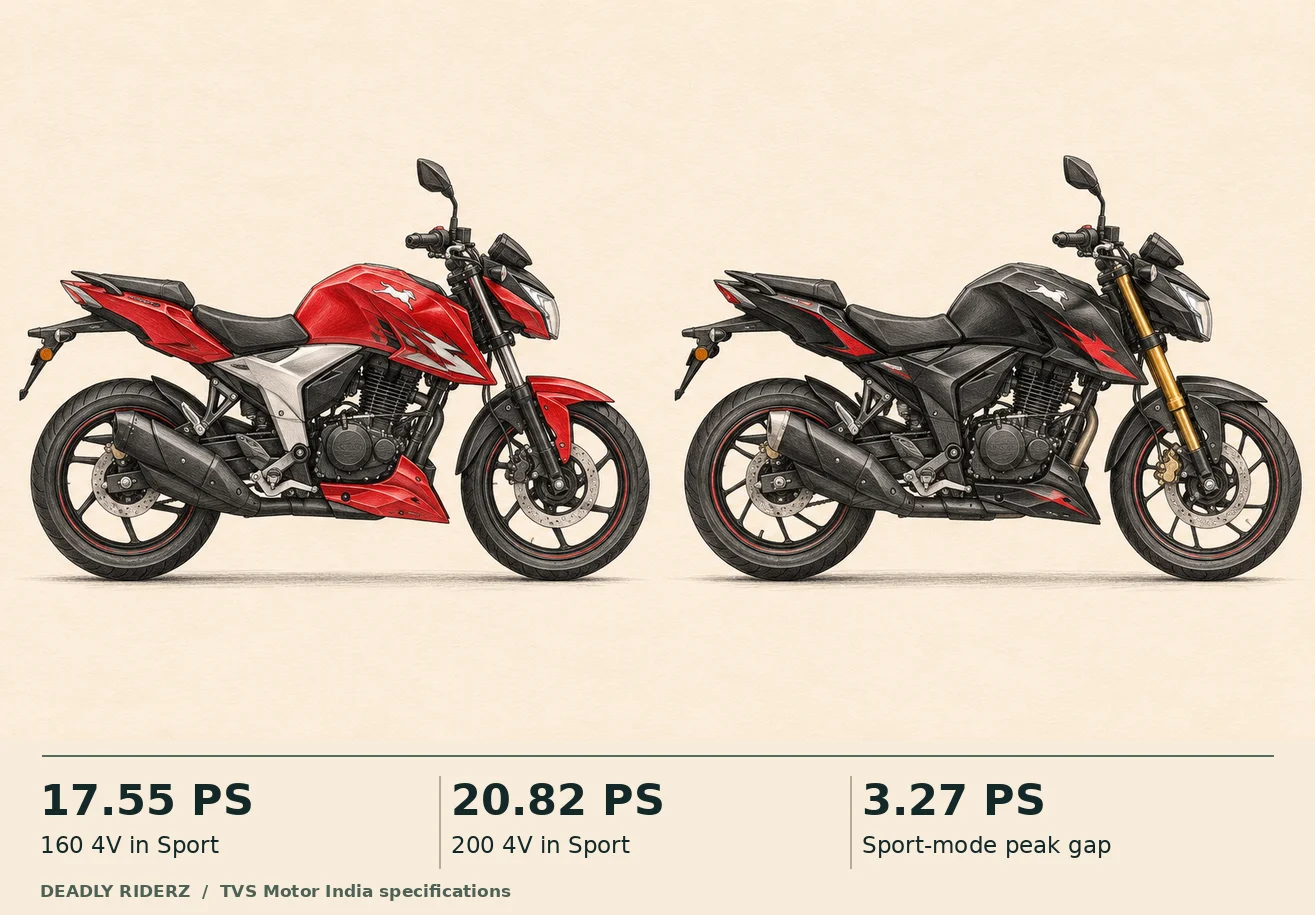
| TVS listed figure | RTR 160 4V | RTR 200 4V |
|---|---|---|
| Engine | 159.7 cc | 197.75 cc |
| Sport peak power | 17.55 PS | 20.82 PS |
| Urban / Rain peak power | 15.64 PS | 17.32 PS |
Decide which trim earns a place on the shortlist
September 2026 reporting from BikeWale illustrates why a badge alone is a poor guide to equipment. Ask which braking system, display and fork are on the exact motorcycle. Then look at the bike and the quotation together. If you expect a particular type of ABS, the paperwork and the machine should both identify it. If a feature on the showroom bike is absent from the quoted variant, get a demonstration of the version you can actually take home.
If you want phone connectivity or a detailed instrument cluster, have the dealer show you how it works on that bike. Check the couple of readings you would use at a stop and how to switch between displays. Features that sound important in a comparison table can be less interesting once you see the screen in daylight. An approved installation and clear documentation matter more than having a long accessory list on the quote.
Use the same road and the same settings
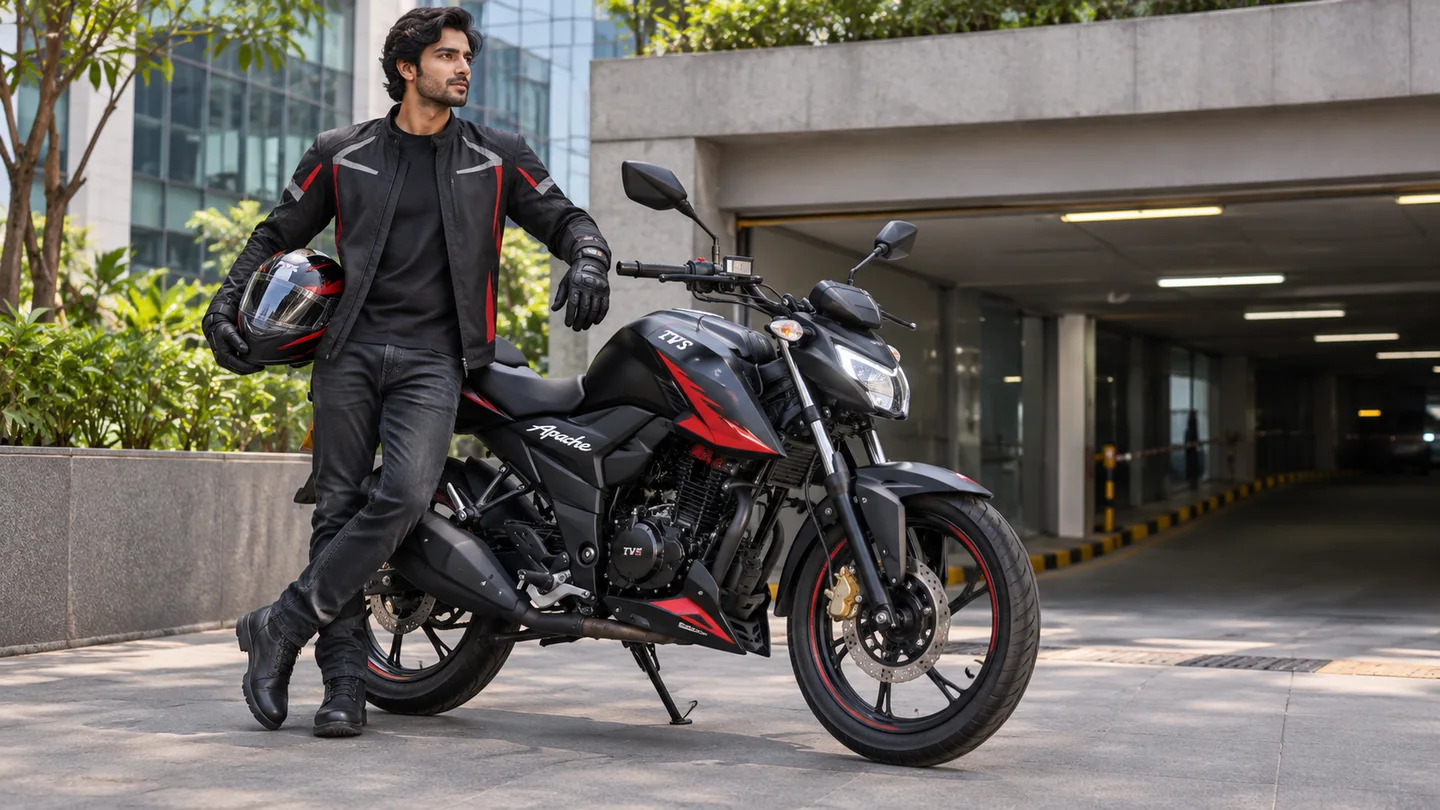
Try both bikes in the usual mode for your commute, followed by whatever additional demonstration the dealer can arrange on an appropriate route. Keep the two rides as similar as possible. Pay attention to what you do with your right hand, how much pressure you put on the handlebars, and whether you frequently reach for a lower gear to move with traffic. If urban roads dominate your week, make room for a slow turn and a normal city stop on both bikes.
On a faster stretch, look for the situations where the extra output would actually make your trip easier. A useful comparison starts at the speed you usually maintain and ends with the decision you make when traffic opens up. The 200 is worth testing first if faster roads occupy a large part of your week. The 160 gives you a clearer baseline if you mainly cross town. Compare the same realistic tasks before deciding you would use an advantage every day.
Try the equipment with your usual gear
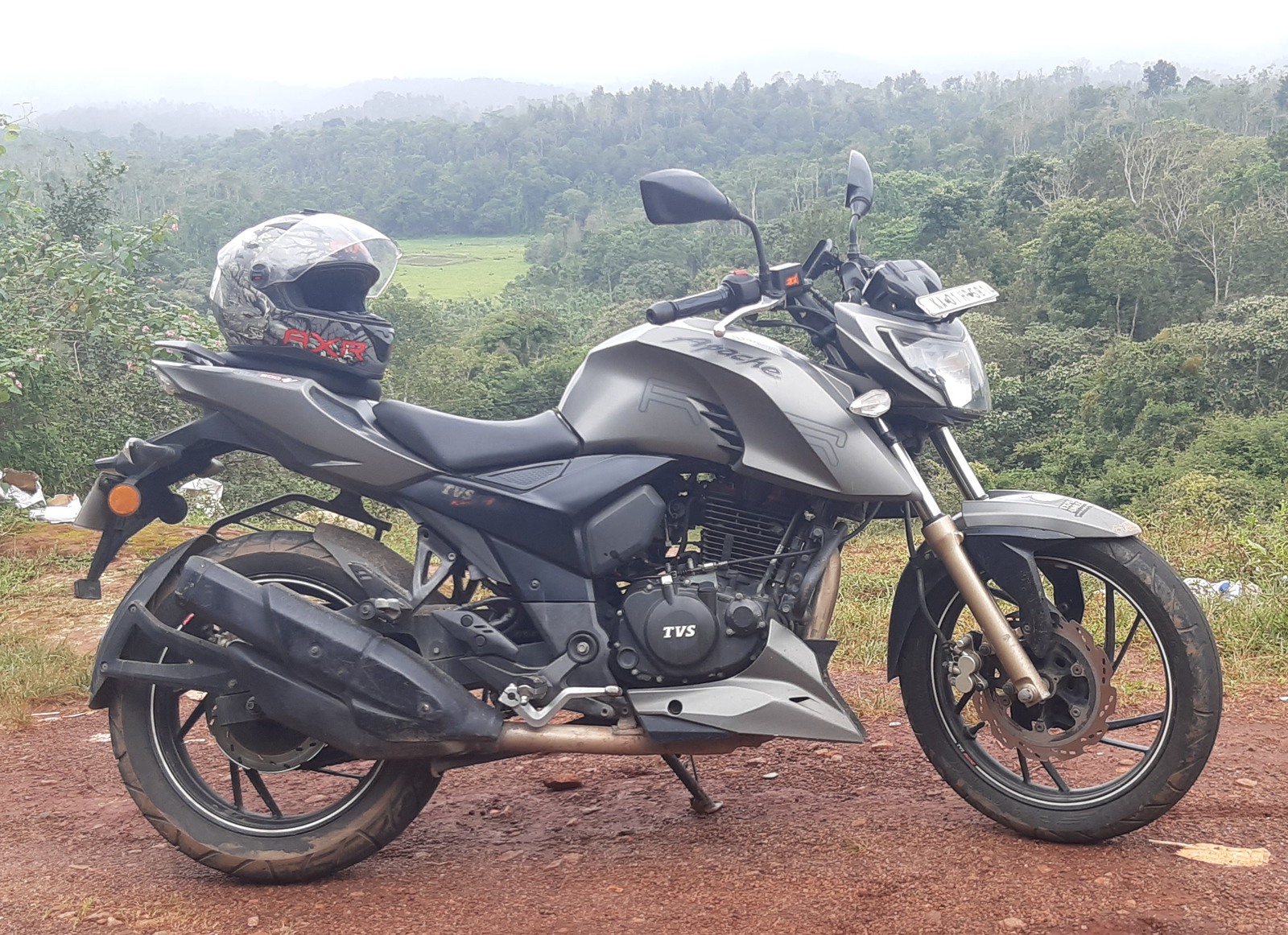
Take the gloves and boots you use to ride to work. At a standstill, check how easily each foot reaches the ground and whether the levers move through a comfortable range for you. A display is more useful when you can read the information you actually want with your usual visor and glasses. If the dealership can put the bike outdoors, compare legibility in natural light and see where the warning lamps and mode indicator sit.
Set a consistent replacement-cost comparison
Ask the workshop for prices on a basic service and a couple of consumables using the exact variant name. If one variant costs less up front and has the parts support you can reach on a workday, put that beside the test-ride notes. If the dealer promises an accessory or item of equipment, use a separate line on the invoice. That is easier to compare across outlets and helps you check what is actually fitted at handover.
TVS’s early RTR 160 4V film shows the original bike in motion. Use the current product pages and model-year documents to check today’s trim equipment. Watch on YouTube
Do the invoice comparison last
Once you have a trim on each shortlist, request on-road figures covering the same insurance and accessory assumptions. Ask about service appointments and common parts at the workshop you will use. If the smaller bike already feels comfortable on your route, equipment you value can justify choosing one of its trims. If the 200 earns the extra money during the ride, check that the quote matches the precise machine you tried. Rider fit and accessible routine service can make a big difference to the value of the purchase. The Deadly Riderz buying guides cover more ways to make the dealer comparison consistent.
Cover illustration by Deadly Riderz.


